Why Smart Clothing Businesses Rely On Custom Apparel Tags For Success
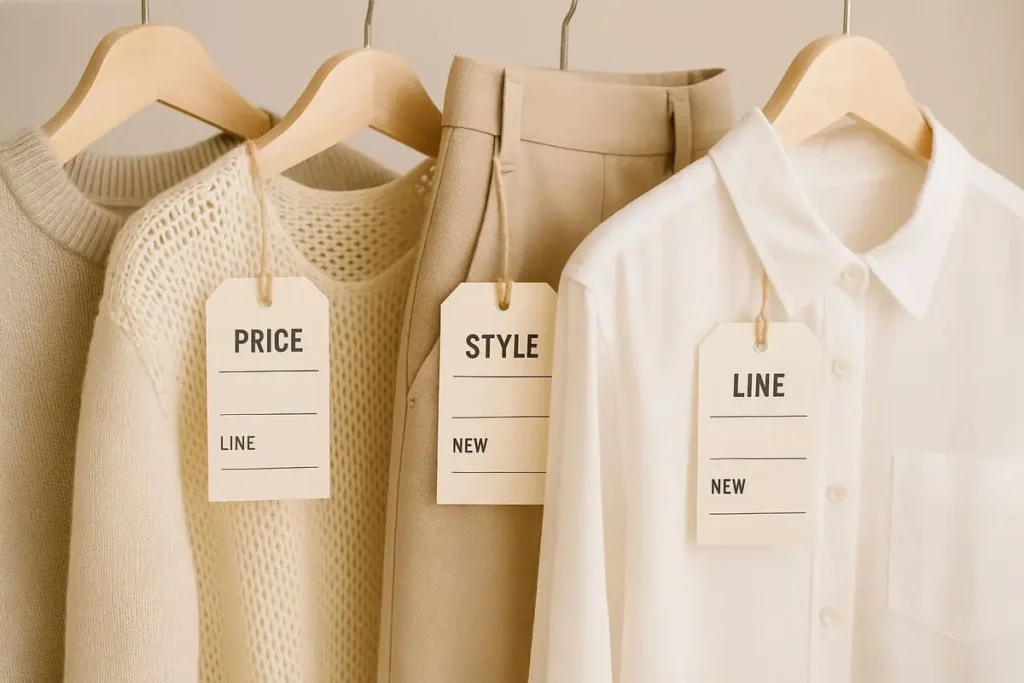
Custom apparel tags help fashion brands present items professionally while giving shoppers important details about fabric materials and care steps. Clothing businesses use these small items to display logos, pricing details, and size information clearly.
High-quality materials make garments look much more expensive and trustworthy to buyers in retail stores or online shops. People notice neat tags before they even try on a piece of clothing. Choosing the right design creates a strong first impression that stays in the minds of customers for a long time. Clear details help buyers feel confident about their purchases every single time.
Brand Identity Building
Shoppers pay close attention to small details when they look through clothing racks in physical stores. A well-crafted piece of paper attached to a garment shows high craftsmanship and real care. Colors and shapes tell a story about the business without using too many words.
Strong visual features allow simple shirts to stand out from normal competing items on crowded shelves. Consistent design choices across all product lines build familiar feelings over time for regular shoppers. Customers associate clean presentations with Customised apparel tags of superior quality, so they return to buy more items in the future.
Material Selection Options
Choosing thick paper or textured cardstock changes how a garment feels to potential buyers immediately. Sustainable choices like recycled paper appeal strongly to eco-conscious shoppers looking for green solutions. Heavyweight stock prevents easy bending or tearing while items sit in busy retail display areas.
Soft cotton strings or smooth ribbons attach pieces securely without damaging delicate fabric threads. Different surface textures offer unique tactile experiences that align with specific clothing styles or price points. Quality materials signal that the clothing item itself received equal care during the manufacturing process.
Essential Product Information
Clothing items require accurate information so customers can make smart buying decisions without confusion or delay. Displaying sizes clearly helps shoppers find matching garments quickly while browsing through large inventory displays. Washing instructions prevent accidental damage to fabrics after buyers take their new items home.
Details about fiber content inform people with sensitive skin or specific material preferences before purchase. Clear pricing numbers reduce customer stress and make the checkout process smooth for store employees. Organized layout choices keep all text easy to read even from a short distance away.
Visual Design Elements
Simple color schemes create a clean look that highlights the main logo without distracting viewers. Dark background shades offer high contrast when paired with bright lettering for modern clothing brands. Bold typography helps key information stand out clearly against plain cardstock surfaces in bright retail lighting.
Unique shapes like circles or custom cutouts catch the eye much faster than standard rectangles. Subtle foil accents or raised lettering add a touch of elegance to luxury apparel collections. Balanced spacing between text elements keeps the overall design clean, attractive, and easy to read.
Attachment Method Selection
Fastening options must secure information cards firmly without harming delicate garment fibers during shipping or display. Standard plastic fasteners offer cheap and quick attachment for high-volume clothing production lines. Natural twine or rustic jute cords create a handmade feel perfect for boutique-style apparel items.
Smooth safety pins allow easy removal without leaving noticeable holes or tears in soft fabrics. Color-matched strings create a unified appearance that blends seamlessly with the overall garment design. Reliable attachment methods ensure critical details remain attached until the customer reaches their home safely.
Marketing Tool Potential
Small paper pieces attached to clothes serve as effective advertising spaces for growing fashion businesses. Adding social media handles encourages buyers to share photos of their new outfits online immediately. Web addresses guide interested customers directly to online stores for future browsing and quick reordering.
Special discount codes printed on back surfaces motivate shoppers to make secondary purchases very soon. Brand stories printed in short sentences build emotional connections between creators and everyday clothing buyers. Intelligent design choices transform basic information displays into powerful sales tools that generate continuous revenue.
Eco-Friendly Initiatives
Environmental awareness drives modern shoppers toward brands that use sustainable packaging materials and responsible practices. Recycled paper options reduce waste while maintaining high strength and visual appeal for retail displays. Soy-based inks offer vibrant colors without releasing harmful chemicals into local ecosystems during printing.
Biodegradable cords replace traditional plastic fasteners to minimize long-term environmental impact after disposal. Uncoated cardstock gives a raw natural appearance that speaks directly to environmentally conscious consumer groups. Using green materials builds customer loyalty while contributing positively to global sustainability efforts across industries.
Cost-Effective Production
Bulk manufacturing allows clothing companies to lower per-unit costs significantly while maintaining high quality standards. Standard shapes reduce cutting costs during production and streamline printing processes for large inventory orders. Ordering primary designs in large quantities saves money, while smaller batch runs handle seasonal updates.
Digital printing options offer fast turnaround times for short production runs or limited edition clothing lines with custom tags wholesale. Simple two-color designs keep printing expenses low while delivering clean, professional results every single time. Smart planning ensures businesses stay within budget limits without sacrificing product presentation or buyer appeal.
Conclusion
Using custom apparel tags is a smart way for clothing businesses to improve brand image and share important product information with shoppers. Simple design choices combined with strong materials turn basic information cards into effective visual tools. Clear details about sizing, fabric care, and company values build lasting trust with buyers in any retail setting.
Investing in professional presentation elevates garment lines and creates memorable experiences for customers every time they shop. Smart brands recognize that every small detail matters when building a strong reputation in competitive markets. Quality presentation always leads to happy customers and growing sales over time.